Under expert supervision — Ákos Merva, Project Manager, Danubius Lofts
Ákos Merva has been with FINEP for more than 18 years. During that time, he has worked on many projects — from modern residential complexes to sensitive reconstructions of historical buildings. He told us more about his approach to architecture, the new Danubius Lofts project, and what inspires him in his work.
Your name is closely associated with the Danubius Lofts project. Could you tell us what makes it exceptional?
Danubius Lofts is a project that connects history with modern urban living. It is located within the former premises of a textile factory, whose industrial character we decided to preserve under the strict supervision of the heritage authorities — from the façades and original structural elements to the unique atmosphere of the place. Our goal was to revitalize the building so it can serve for decades to come, and to bring it back to life with people instead of the loud, heavy machinery that once filled it — people who are looking for something special, such as a home with a distinctive genius loci.
At the same time, we wanted to offer comfort and living quality that meet today’s standards. Modern residents naturally expect a certain level of convenience and aesthetics, and in this project it was necessary to align those requirements sensitively with respect for heritage protection and for the existing load-bearing structure of the building.
You’ve been at FINEP for many years. How would you describe your role and your approach to project management?
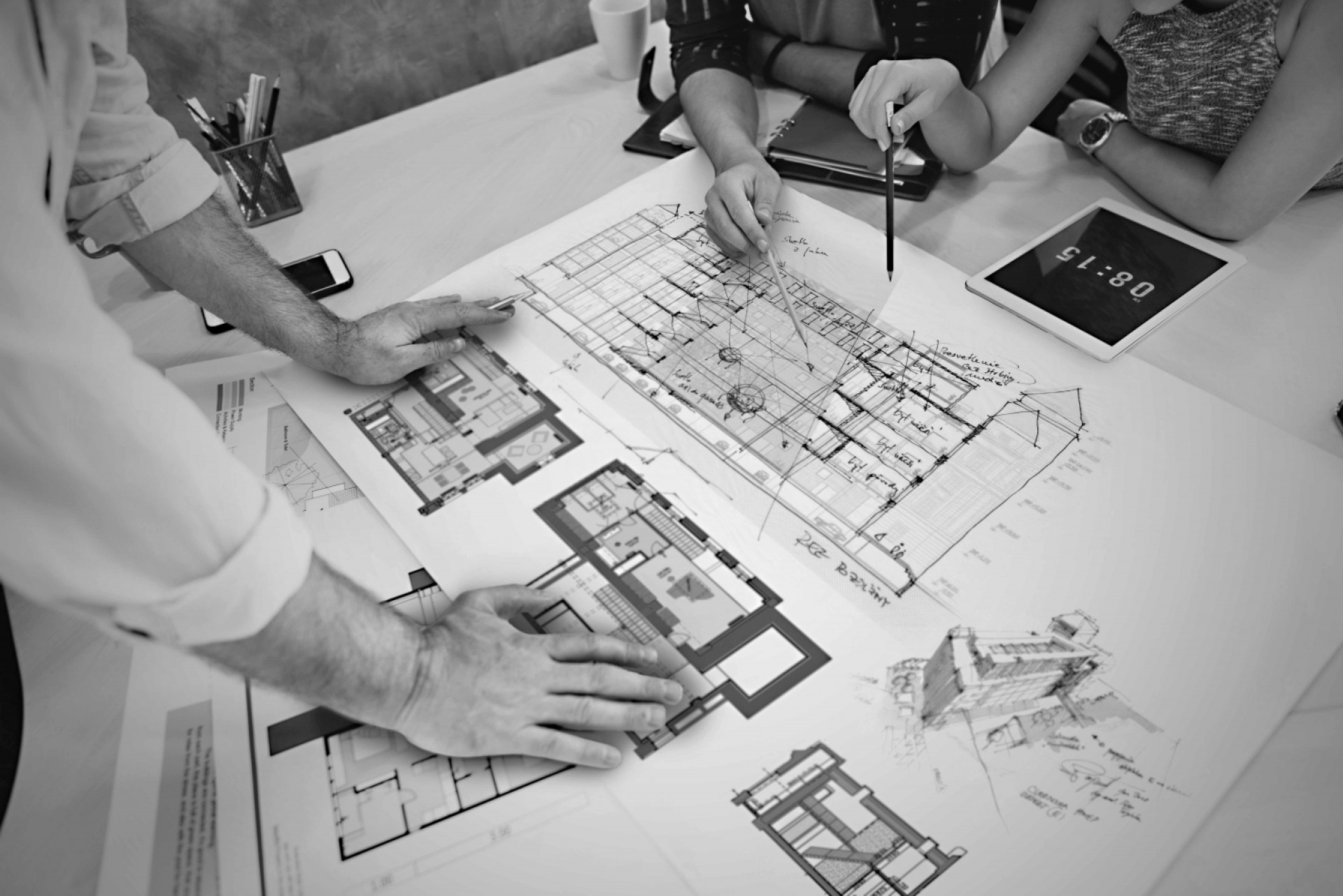
My role is to connect architects, technical teams, and investors so that the outcome is a building that works not only aesthetically but also practically, meeting the expectations of both investors and future clients. My main forte is coordinating the permitting process, preparing the project for the construction tender, and ensuring the plan is introduced in time to the city district and the capital city authorities—without this “connection to the city,” a project with a broader scope simply cannot come to life. It is essential for me to understand the wider context, because every project is more than just a building—it is part of the area, transport links, the community, and the long-term development of the city.
Architects naturally focus primarily on the building itself—its form, aesthetics, spatial solutions, or heritage values, which is also the case with Danubius Lofts. As a project manager, however, I also consider other factors that influence the viability of the entire site: how a heritage-protected building will function in combination with modern development, what the overall operational layout will be, the movement of people, connections to services, transport accessibility, and the urban logic of the area. In this location, three major developments are currently underway that are reshaping and defining the new character of the Trnavská–Jégého and Trnavská–Šancová area, and in the future they will likely be joined by the redevelopment of the Trnavská–Miletičova corner. Our future clients therefore are not just buying a new home here, but also gaining access to a dynamically developing district full of services, shops, and leisure opportunities.
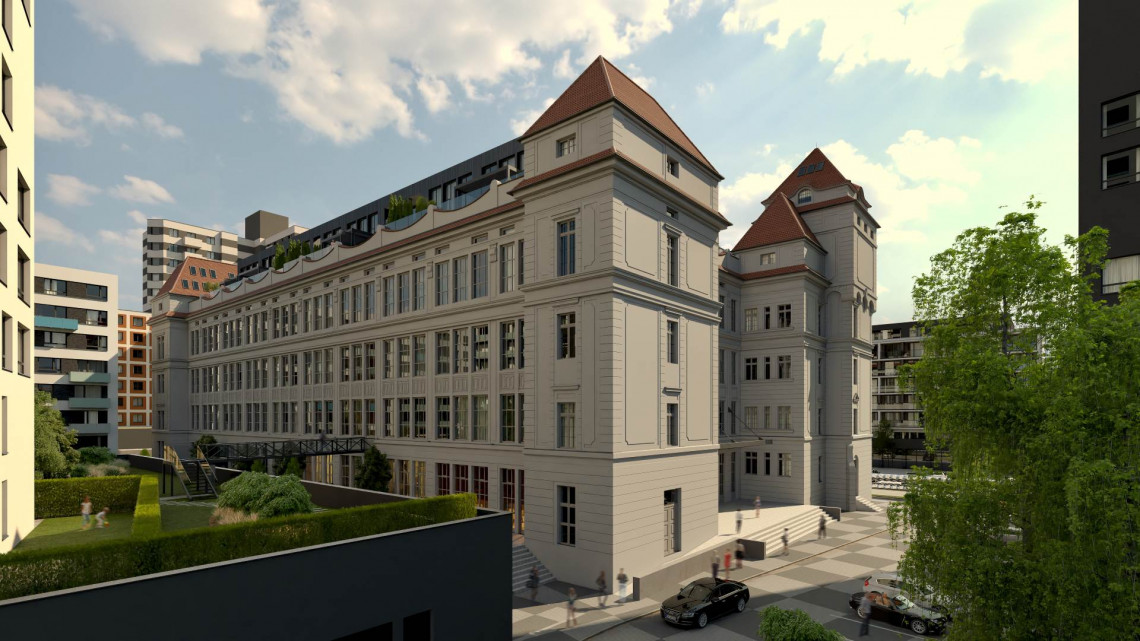
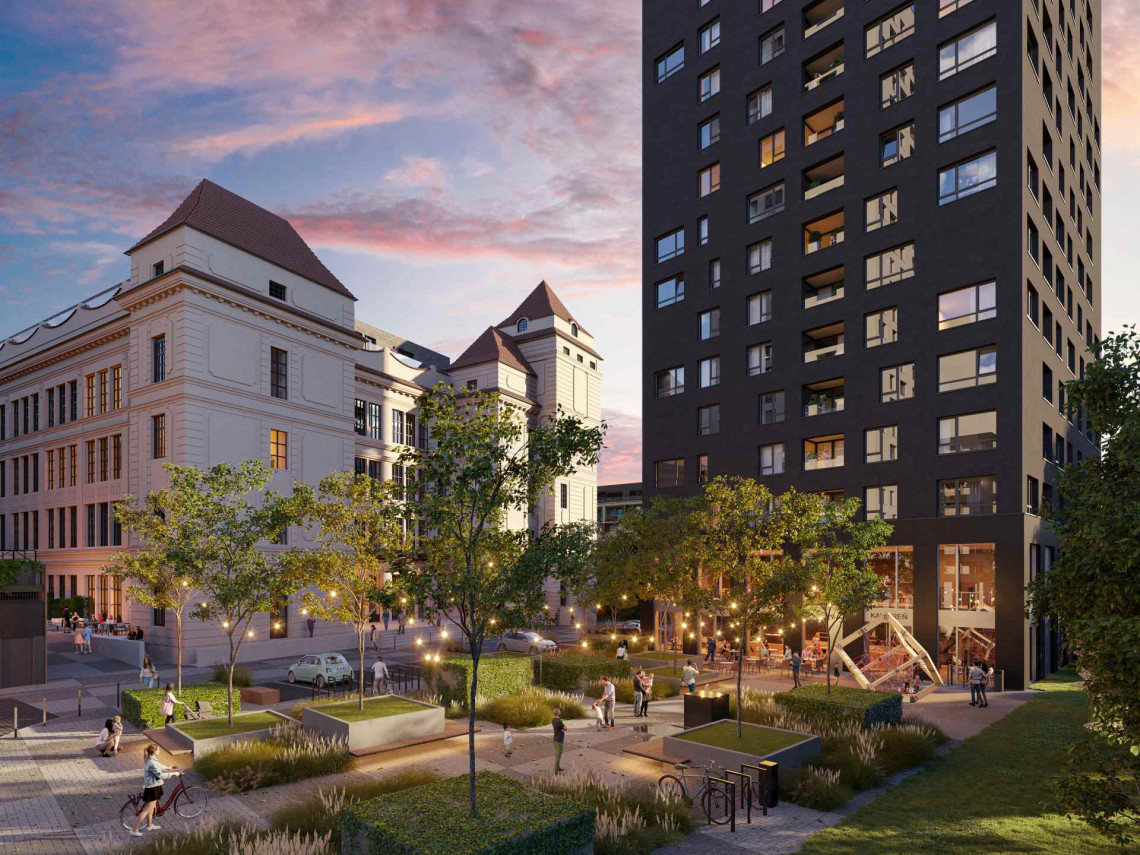
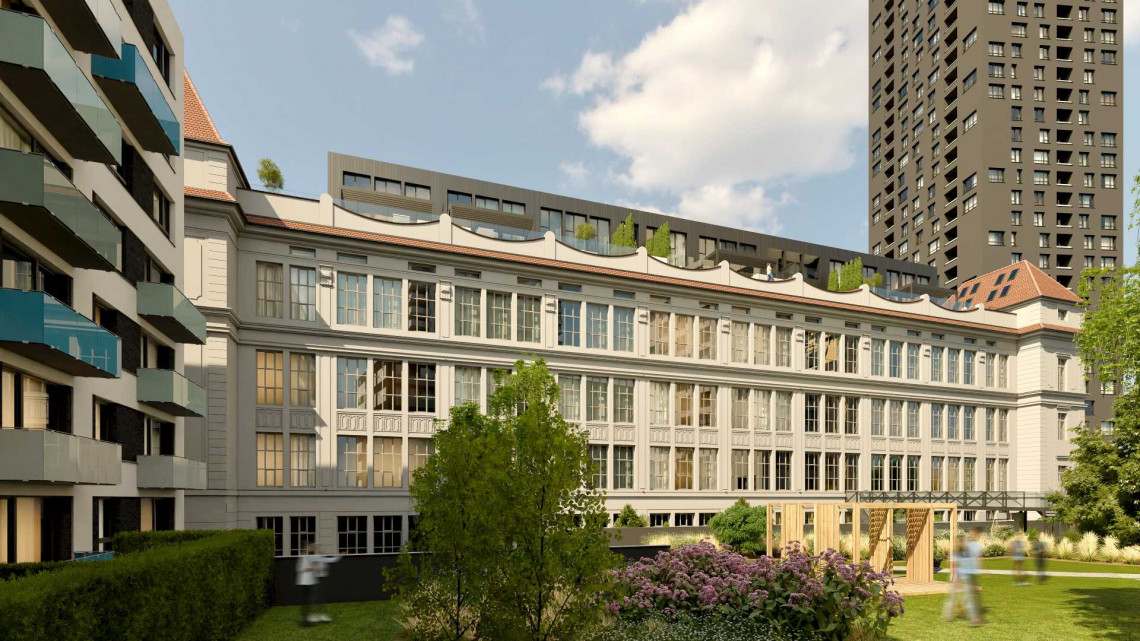
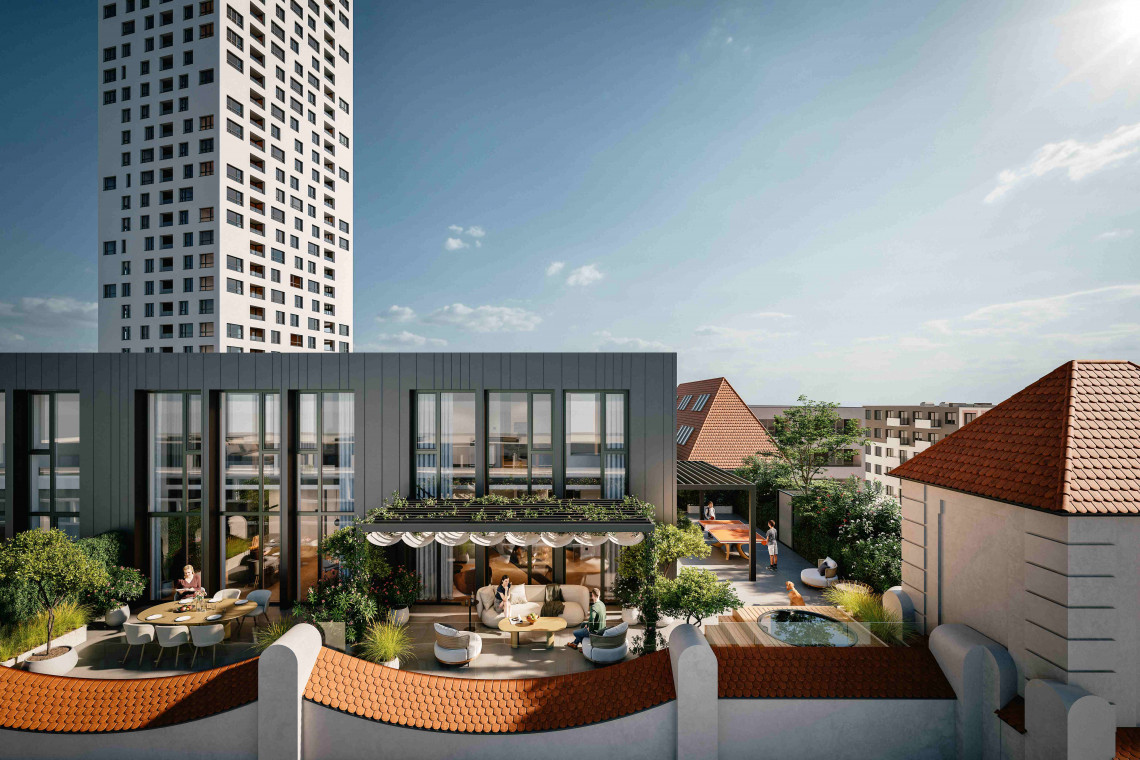
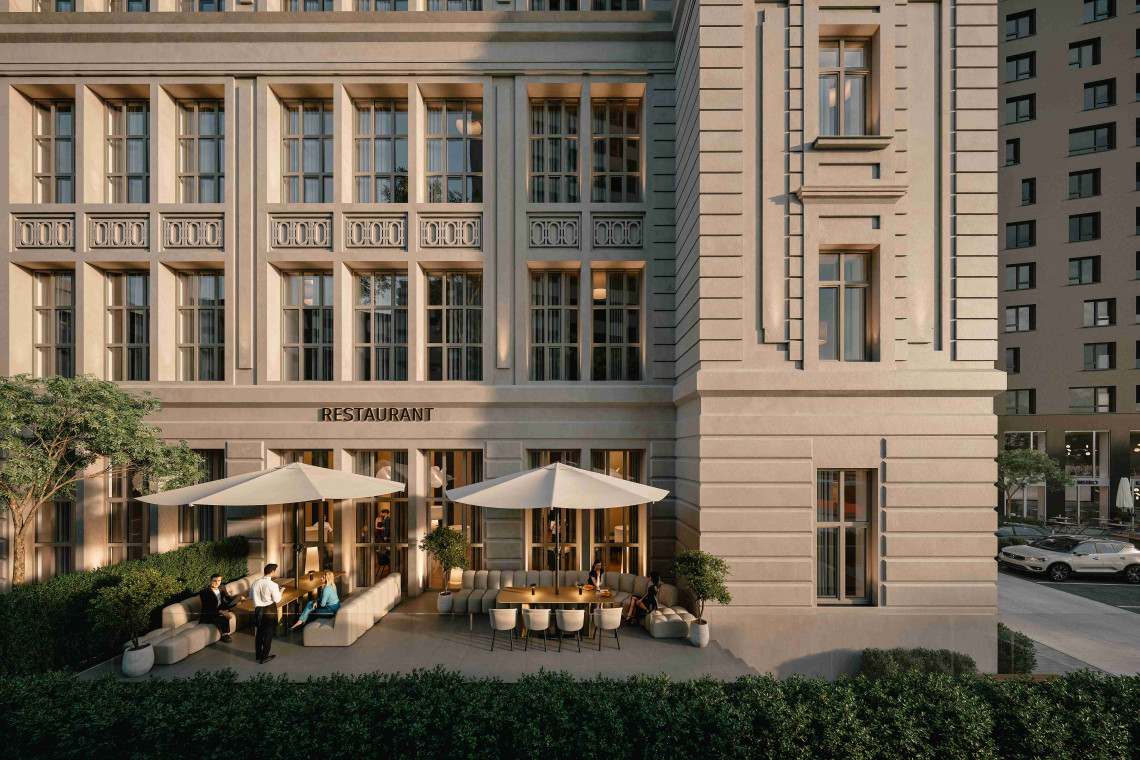
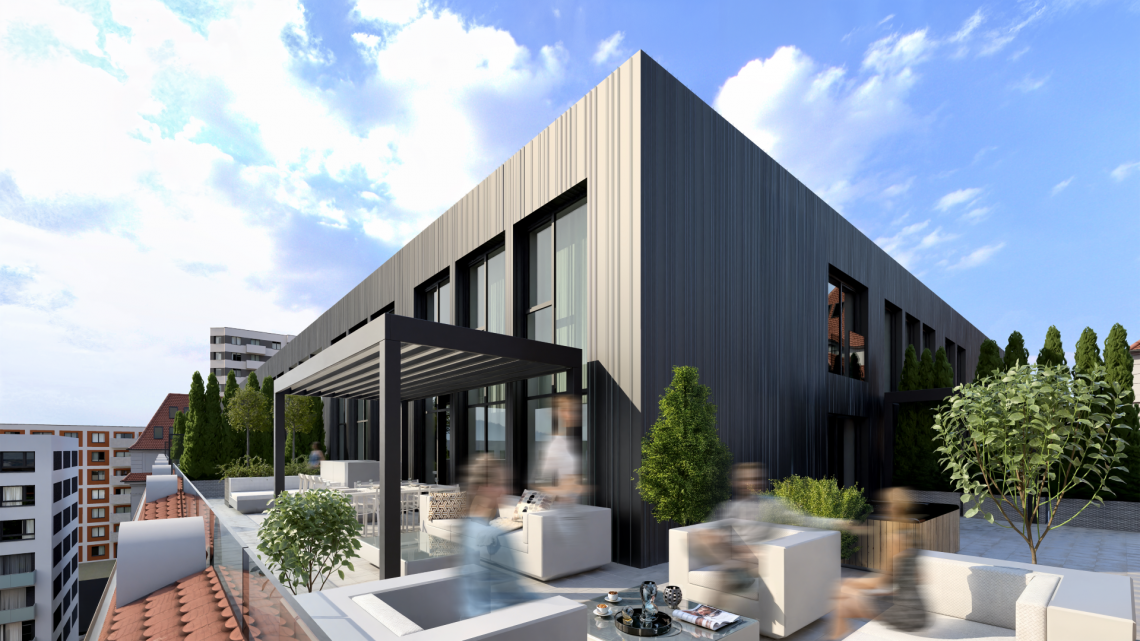
Therefore, I don’t see the building as an isolated object, but as part of a larger whole in which individual structures create a unified composition — not only visually, but also in terms of use and operation. We want to support the integration of the historical landmark into the area by creating a new piazzetta, which will preserve a direct view of the main entrance and at the same time enhance the monumentality of the entire building. And it is certainly not small — its floor area is comparable to our modern projects, and its inner atrium may remind future residents more of a small shopping gallery than of a typical apartment building.
The piazzetta will also create a central public zone with greenery and a café. The result will be better orientation within the area, excellent accessibility, and a strong reinforcement of the building’s historical value within the overall site.
You also have experience with reconstructing historical buildings. What do you enjoy most about these projects?
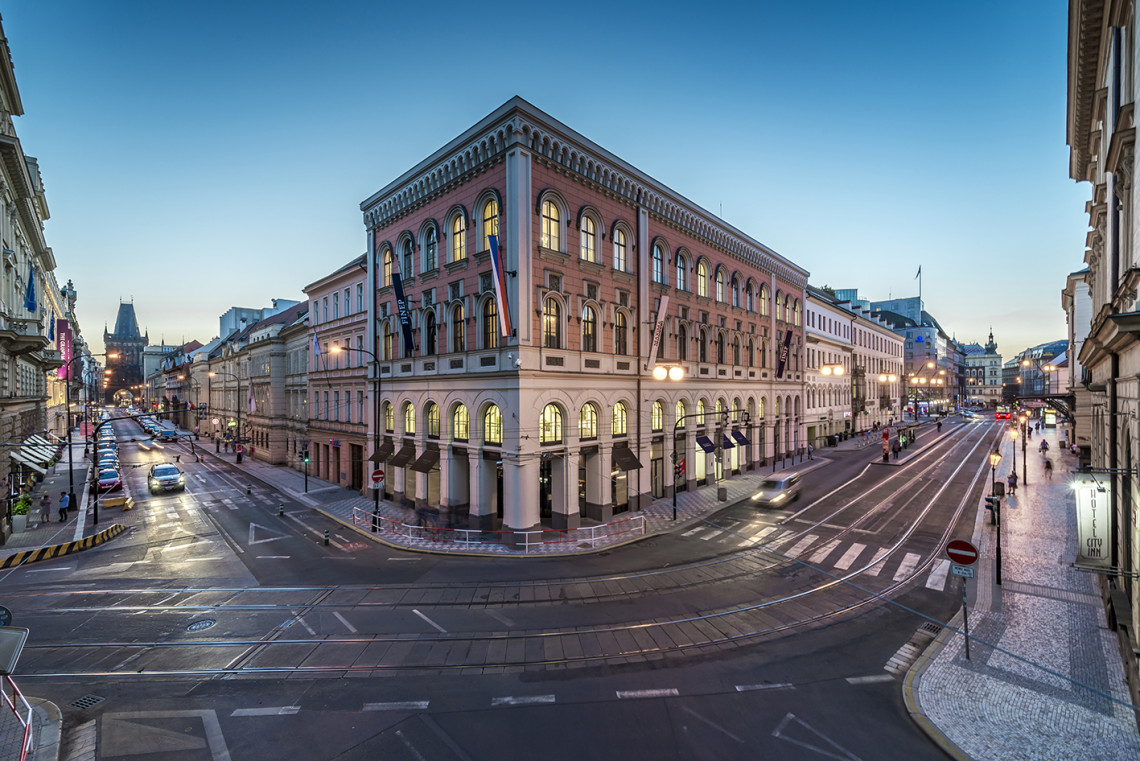
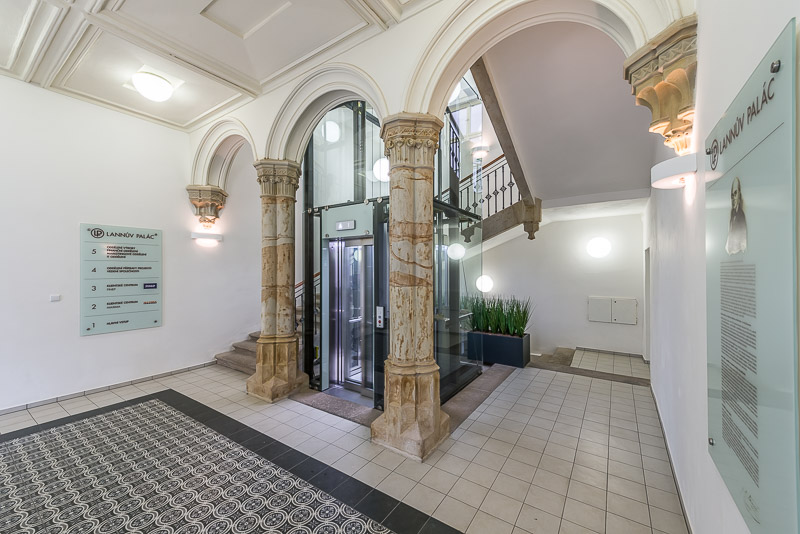
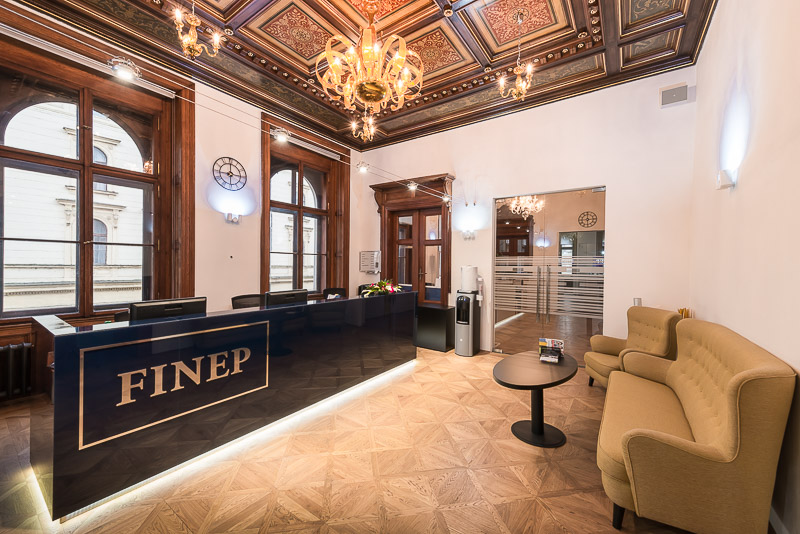
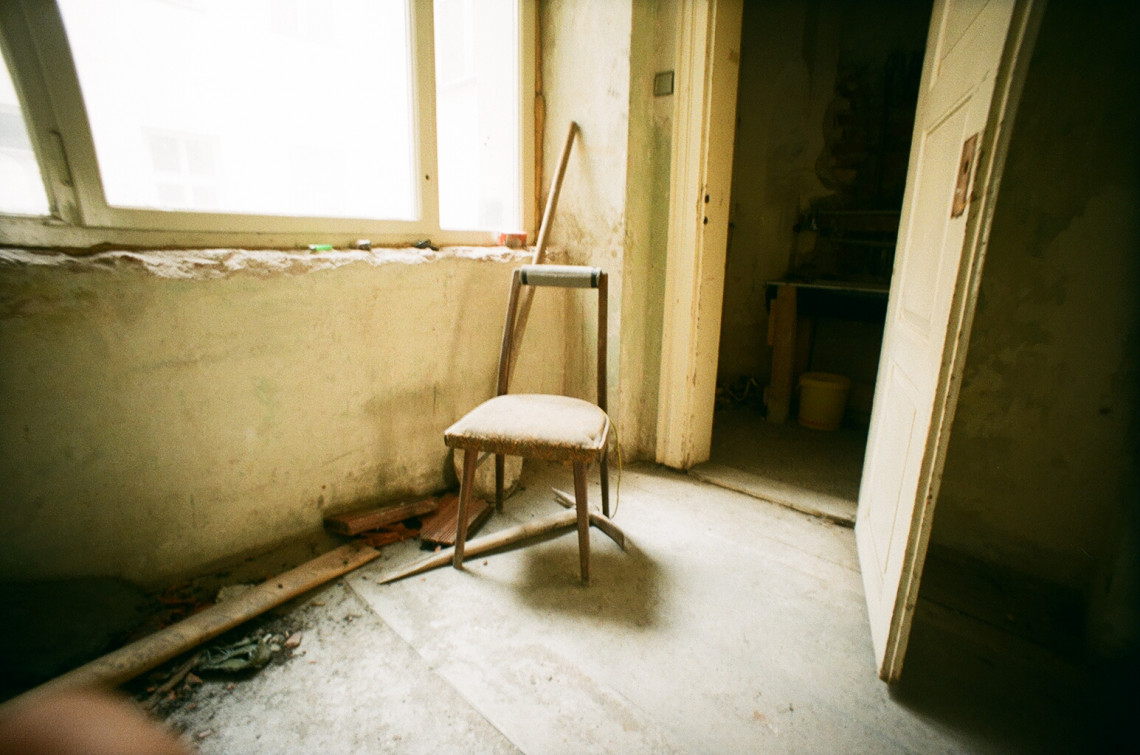
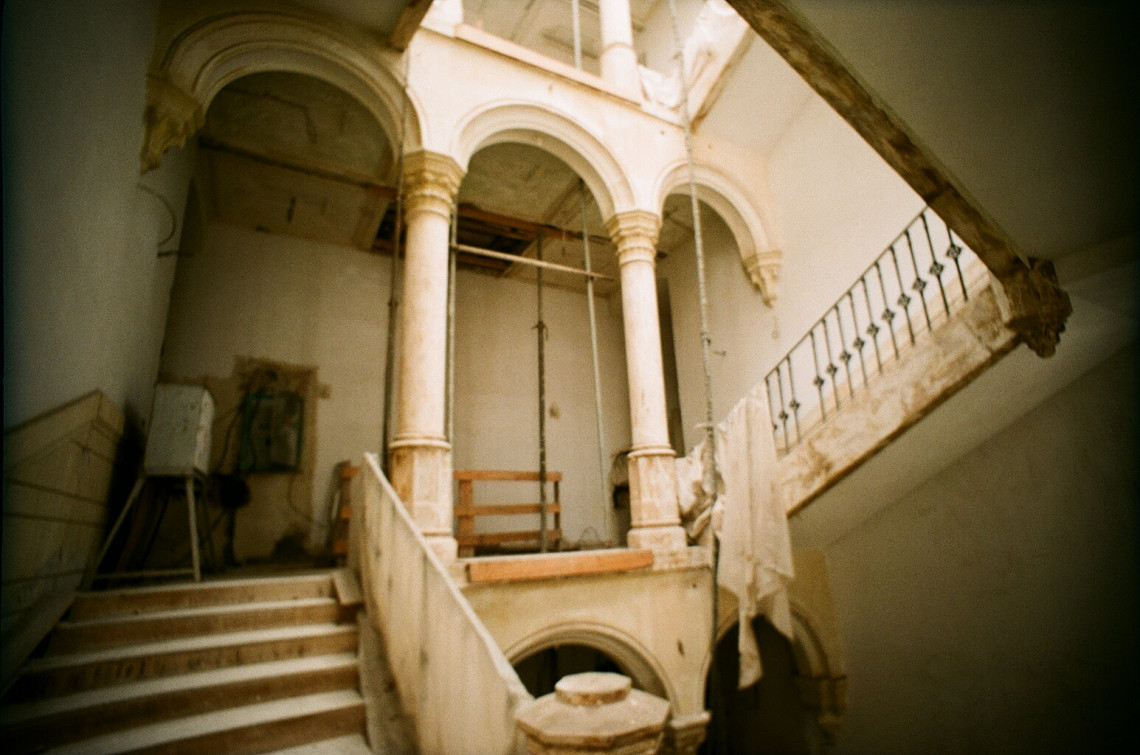
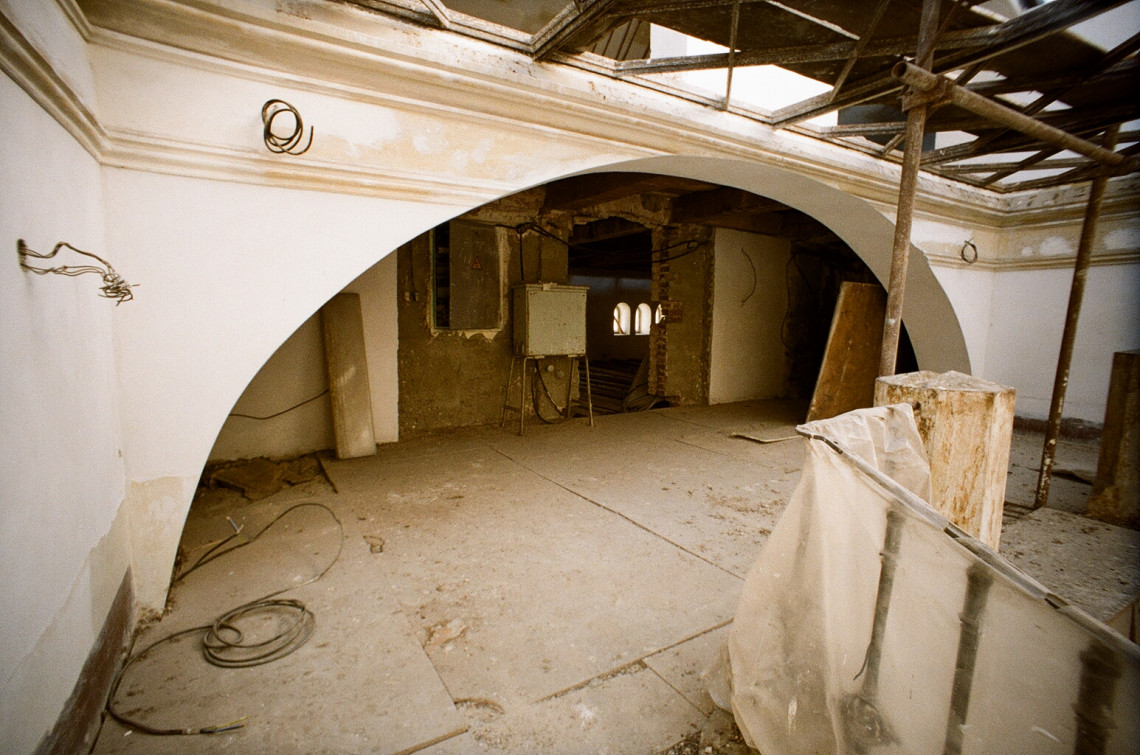
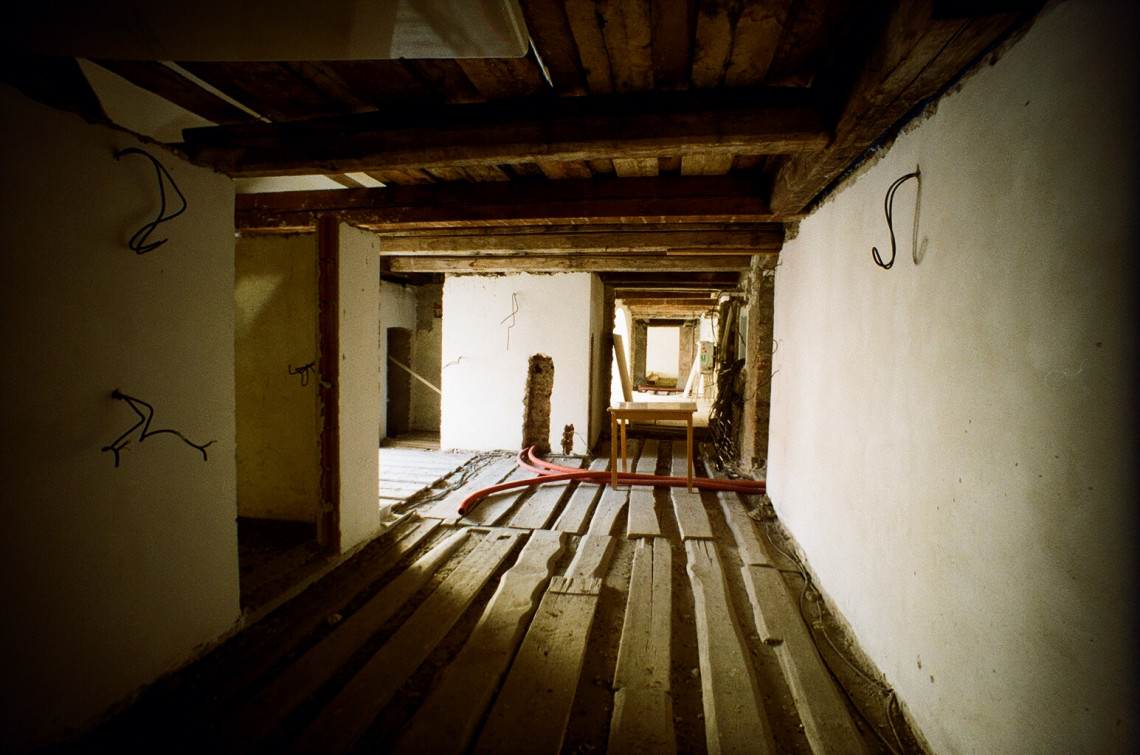
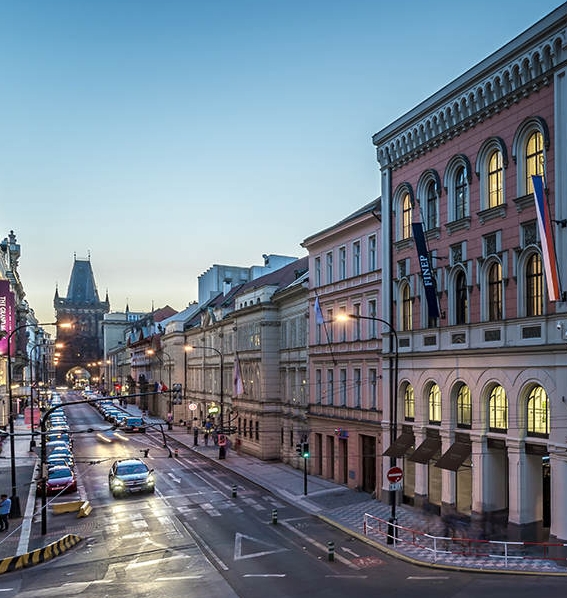
Reconstruction is always a challenge. You never know exactly what awaits you on site and what will need to be solved immediately. It’s more demanding compared to modern buildings, where everything is created “from scratch.” Old buildings have a soul, but also technical limitations that you must deal with as responsibly as if it were new construction. On projects such as Lann Palace in Prague or Court Square in Memphis, we aimed to preserve as many original elements as possible while giving them a new meaning that fits contemporary life and use. Together with the design team, we always try to find a solution that turns possible constraints into an advantage — we look for a new purpose for structural elements or spaces that originally served a completely different function.
What personally inspires you in architecture?
I like traveling to cities that have fully embraced their industrial heritage — for example Amsterdam, Hamburg, or London. I’m fascinated by how architects work with materials, light, and structure. At Danubius Lofts we follow the principle that what is original and valuable should be preserved and refurbished. And what is new is designed using the most modern materials and technical solutions that the project can afford economically and structurally. This mix of two worlds — old and new — is precisely what makes loft living so exceptional and attractive.
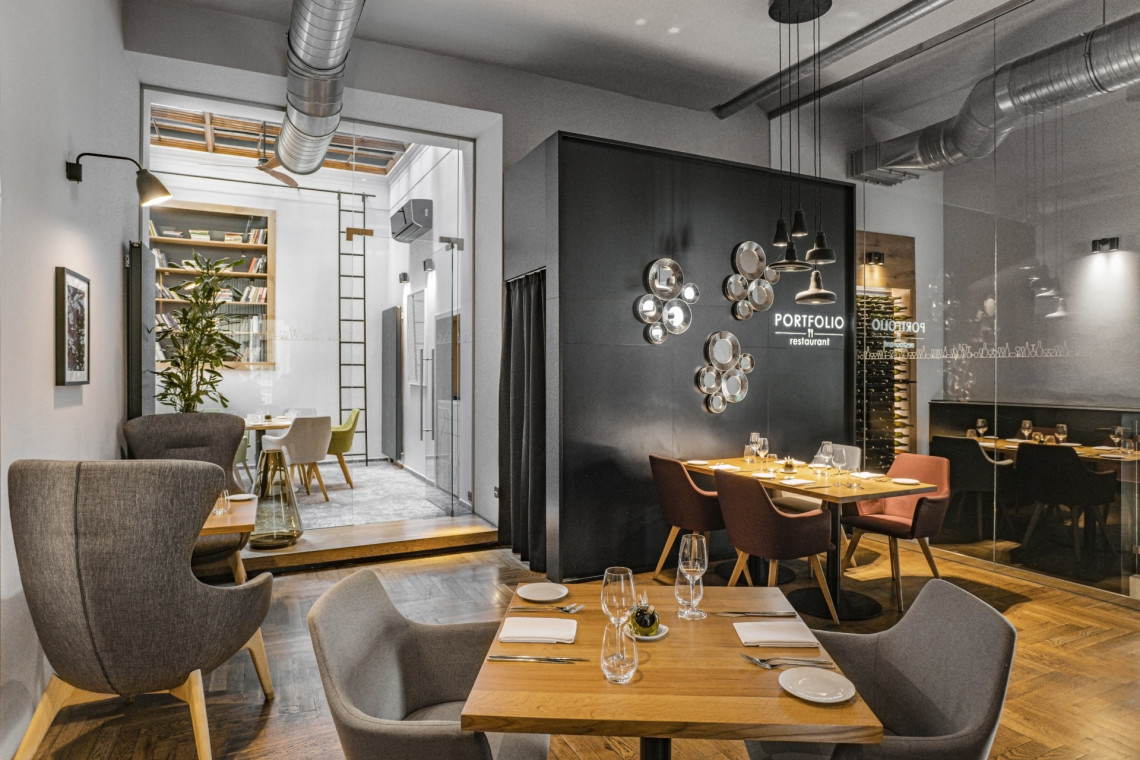
When an opportunity arises, I also enjoy preparing smaller interior projects myself, such as the Portfolio restaurant in Prague. Its goal was to create a space where the guest feels relaxed and comfortable from the very first moment they walk in. Reviews confirmed that the original idea was fulfilled — and we have the same goal for Danubius Lofts.
In cooperation with architect Topinka, we created a concept that does not try to blindly copy fleeting trends or chase a cheap “wow effect.” Our ambition is to create an environment you will enjoy returning to. If you choose one of the units, your home will be a place that brings you calm, a smile, and a sense of belonging every day. The building will become a stable point of harmony in the middle of the hectic life of a big city.
The meaning of my work always lies in ensuring that the result brings comfort and positive value. Just as in the Portfolio restaurant, where the interior complements top-class gastronomy, Danubius Lofts is creating new spaces that underline the monumental industrial character of the building and give it a modern, comfortable, and fully-fledged dimension.
And what are you working on at the moment?
In addition to Danubius Lofts, I am also involved in preparing a large development area in the east of Prague, where we are defining an entirely new urban district including civic amenities, a town hall, and a city park for leisure activities. Every project is different, but they share one thing: to work well for many years, it must be thoughtful, honest, and bring value to its users. I believe that Danubius Lofts has all the prerequisites to meet these attributes.
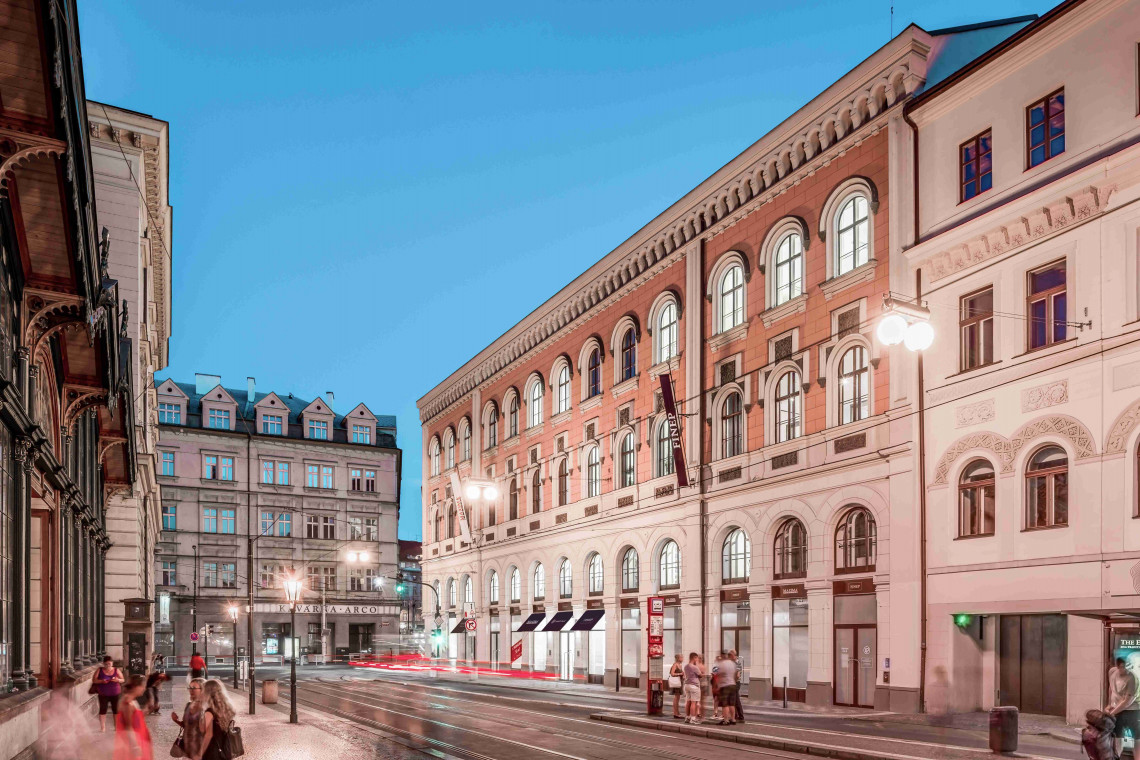
Reconstruction of Lann Palace and the Portfolio restaurant in Prague: